How to Read Odds and Calculate Probability in Sports Betting


There are simply no sports betting without odds. Those tiny numbers you see on your screen are the heartbeat of sports betting and the bookmaker’s way of telling you how likely an outcome is and how much you’ll win if you’re right. If you can start understanding betting odds, you’ll clearly have an edge over the bettors who don’t.
Knowing how to read odds will take you from being the guy who guesses to being one who uses the numbers in their favour. So while you might not always hit greens on your wagers, you will be better than the average bettor, and that’s why we’ve created this guide for you to learn all about how to read odds in betting.
How do betting odds work?
Understanding betting odds is super easy. They do two things at the same time: they show how likely an outcome is, and they tell you what you stand to win. When a bookie sets a number, they are telling you the probability of that outcome occurring. Smaller numbers mean a higher chance of success in the decimal format, while higher ones mean the chances of that event occurring are lower.
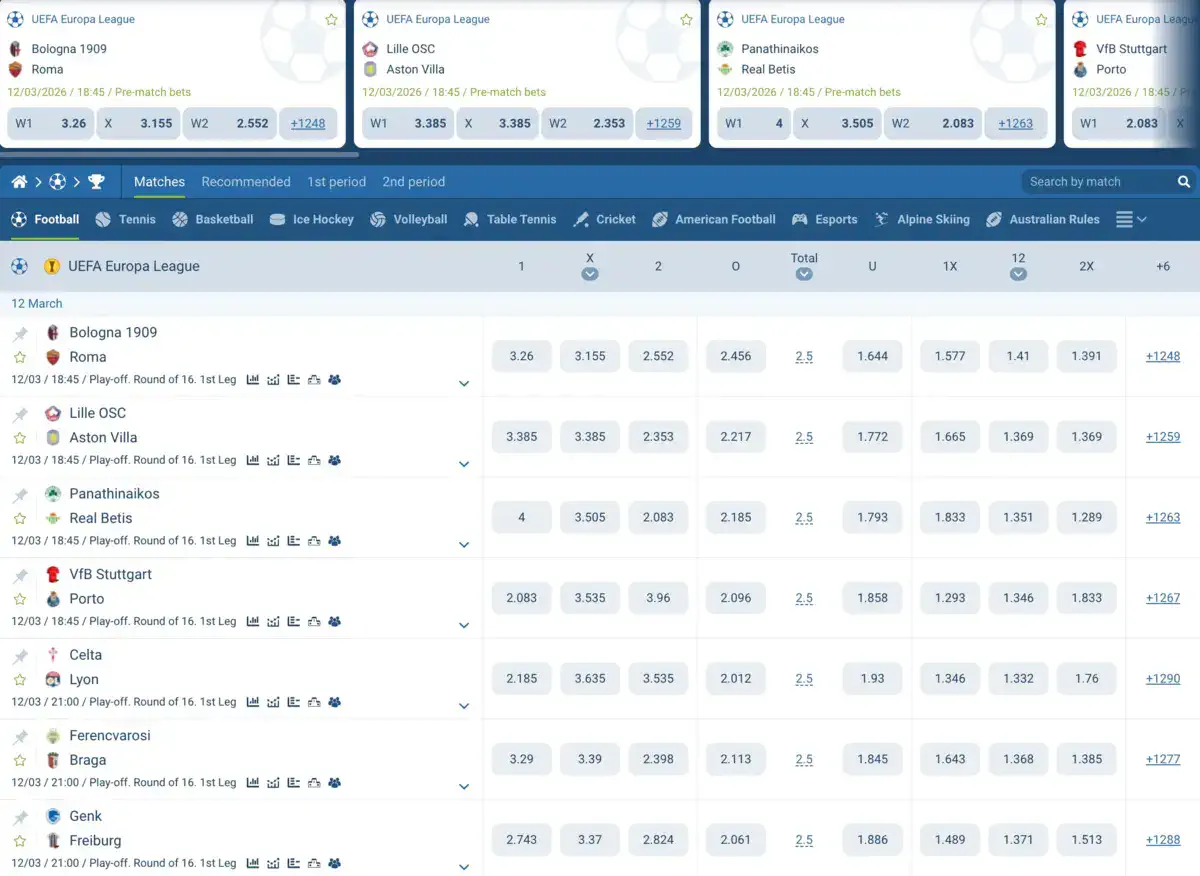
That’s basically the core betting odds meaning, and it’s the same whether you’re looking at decimals, fractions, or American odds. Now that we’ve gone deep into understanding betting odds and how they help you know your potential winnings, it becomes easier to compare the quality of odds across the best betting sites.
What Is Probability in Betting?
Probability is basically the chances of something happening, and that definition still stands in the sports betting world. The only thing you need to know is that in sports betting, implied probability is expressed through betting odds. Let’s show you how it works with two examples, as it’s key to understand betting odds.
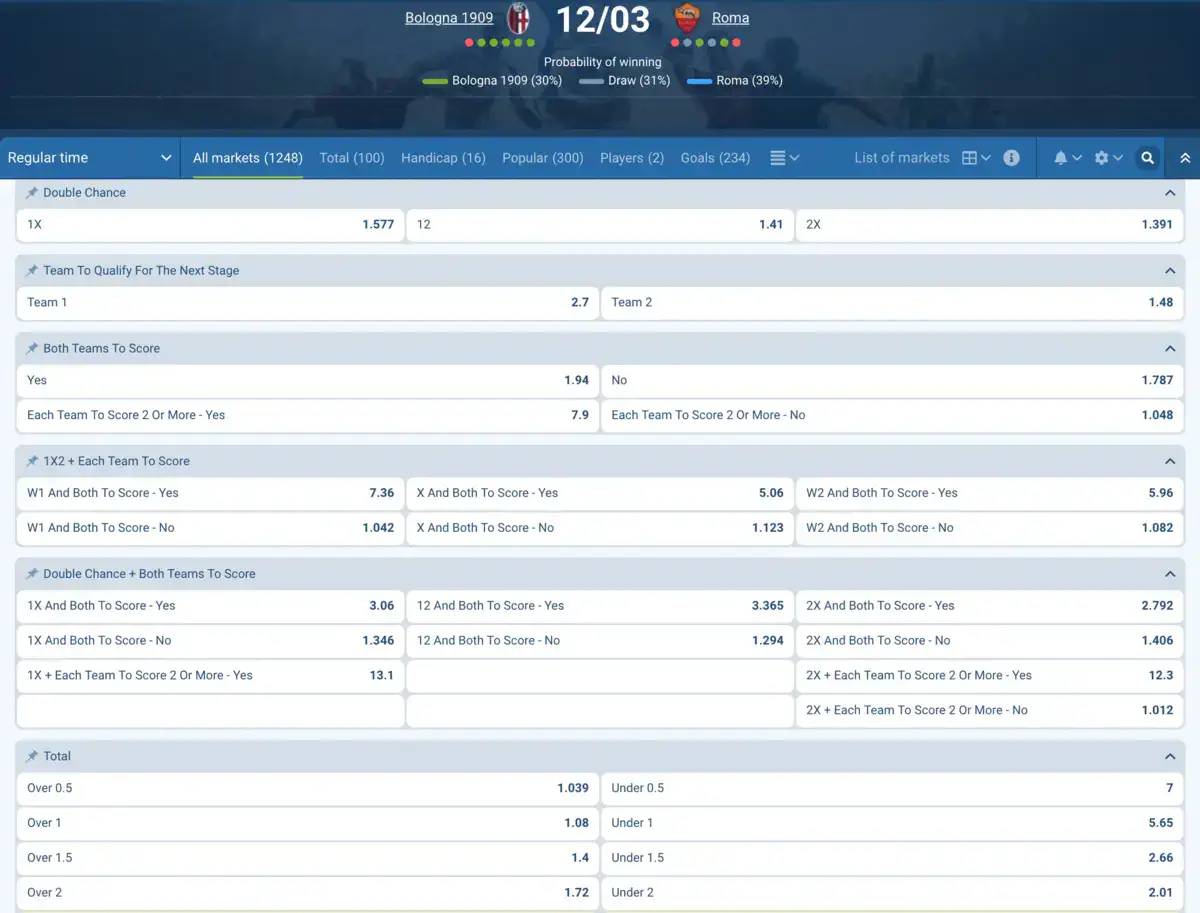
First is a coin toss. We all know that when you flip a coin, heads or tails are the two possible outcomes, and they both have a 50% chance of landing. If a bookmaker wanted to set the odds for that flip, it would be 1.91. This should be 2.00, but bookmakers add a margin on betting odds to lock their profits regardless of the result
Now let’s imagine it was a football game between Arsenal and PSG, two teams currently on top form and among the best in the world. The betting odds might be set in a way that shows that both teams have a close to 50% chance of winning. But if Arsenal were going against Crystal Palace, the bookmaker would reduce the odds to, say, 1.20 (remember that 2.00 means a 50% chance of winning). 1.20 odds now mean Arsenal has over 80% chance of winning. If Palace were given 4.30 odds, it means that the bookies only believe they have a 23% chance of winning.
If you’re wondering how we managed to convert the betting odds in numbers to probability in percentages, it’s all about a simple formula that sportsbooks use. When you see an odd, enter it into this formula on how to calculate odds in betting:
Probability Percentage = (1 / Odds) x 100
If you replace the odds in that formula, you would always know how to get the implied probability of any event occurring instead of just looking at numbers.
How Fractional Odds Work
Before you knew about American odds and even the popular decimal odds today, they were fractional odds. While they are mostly used by UK betting and horse racing fans today, they are still among the most popular in the world.
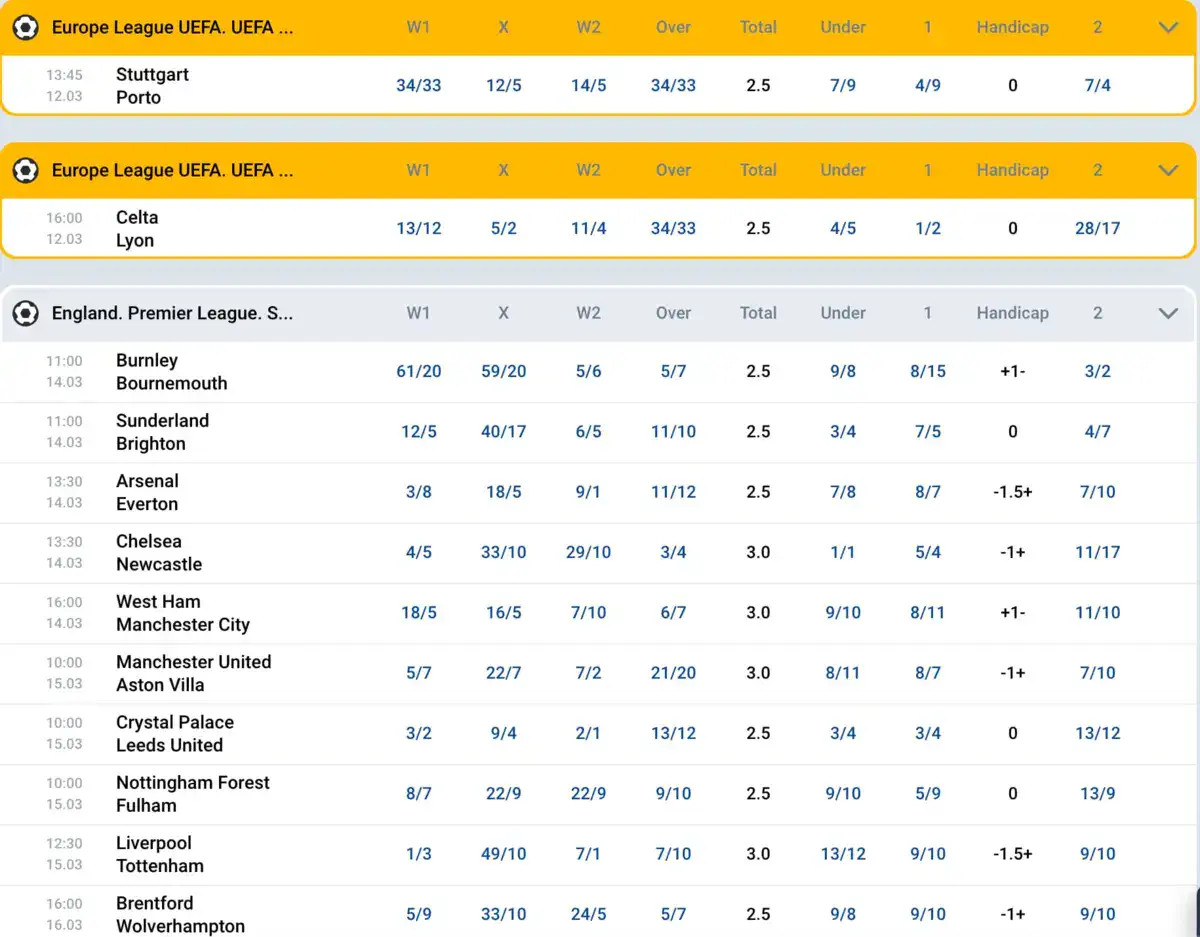
As their name states, they look like fractions, such as 5/1 or ⅔, and they tell you how much you can win compared to your stake and the chances of that event occurring.
Let’s focus on 5/1 first. For every $1 you bet, you get to win $5 if your pick is correct and also get your dollar stake back. If you want to know the probability, divide the denominator, which is 1 in this case, by the sum of the denominator and numerator (1 + 5). So you have 1/(1+5), which is 16.7% after you convert it to a percentage by multiplying the answer by 100.
The same goes for our 2/3 example. You win $2 for every $3 you bet, so if you bet $6, you win $4. Simple right? Just remember that the bottom is your stake and the top is the amount you stand to win. If we wanted to calculate the probability, it would be 3/(3+2), which equals 60%. So as you can see, the bookie knows that the chances of you winning this bet are higher, which is why you only get $2 when you wager $3.
A tip to remember with fractional odds is that if the top is higher, the bet is riskier but the potential payout is bigger. If the bottom is higher, it means the bet has a higher chance of pulling through, but the winnings are smaller.
Understanding Betting Odds - Decimal Odds Explained
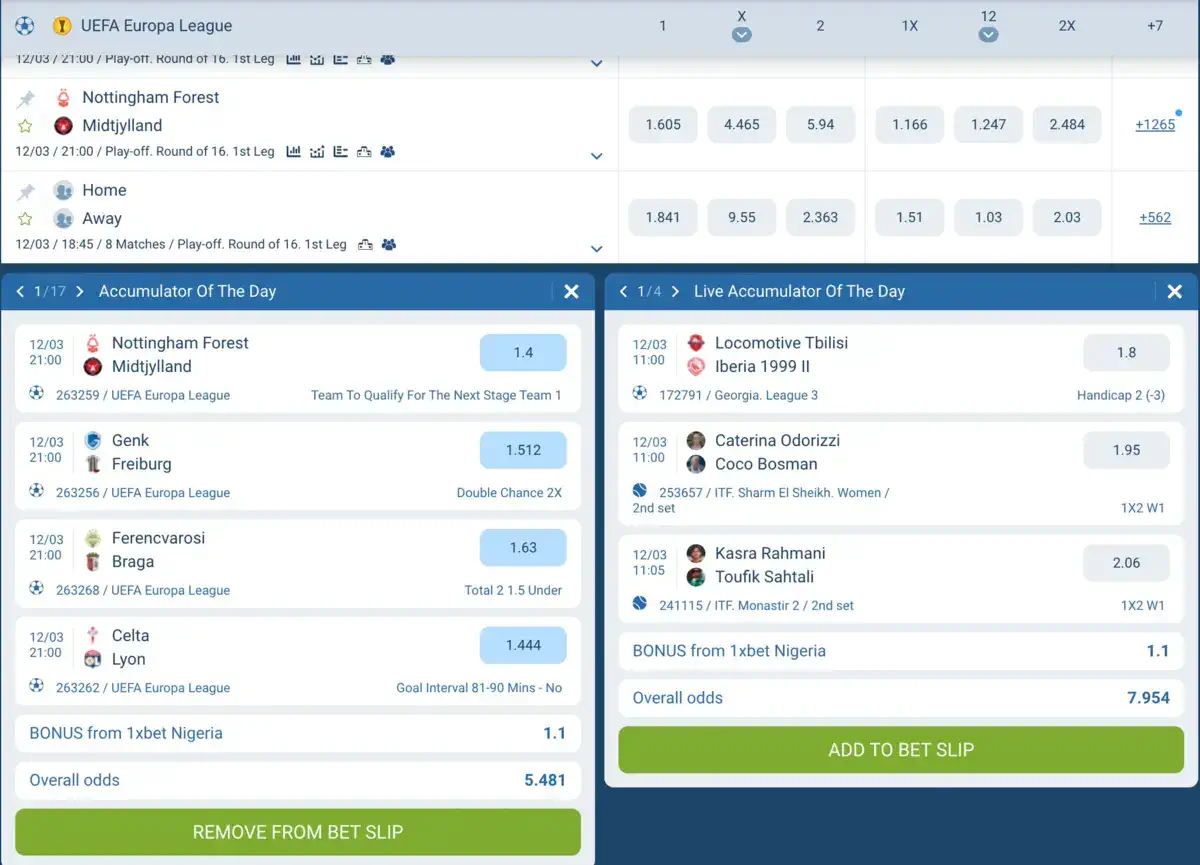
Decimal odds are by far the most popular way to read odds, and when you consider how easy they are, you’ll understand why. We explained how they work earlier, but as a refresher, you basically just have to multiply the odd count by your stake to get your payout.
If Manchester United were up against Burnley and the odds were priced at 1.30. If you place $10 on United to win, you will get $13 ($10 x 1.3) if they end up winning. You can calculate the actual probability of decimal sports betting odds by using this formula: Probability Percentage = (1 / Odds) x 100, which we covered earlier.
One of the easiest markets to practice reading decimal odds is the Over/Under 2.5 goals market, where odds clearly show the probability of whether a match will have more or fewer than 2.5 goals. You can explore detailed examples here: Over/Under 2.5
Also, in decimal form, the lower the number, the higher the chances, but the smaller the payout. If you’re still reading up on how to start sports betting, you should use the decimal odds format because of how simple it is.
Understanding American Odds
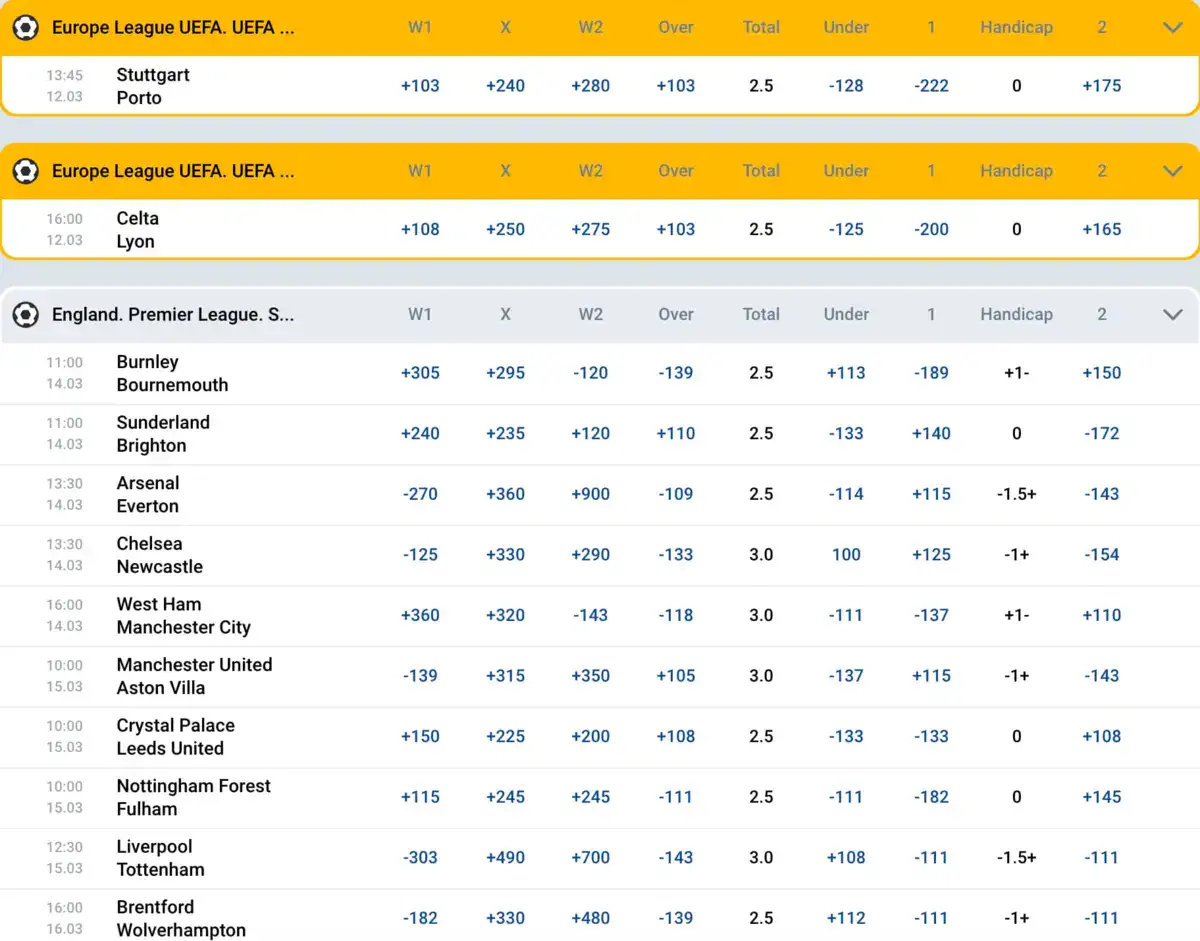
As the name already says, this betting odds format is big in the US and uses plus and minus signs to show both probability and potential winnings. American odds may look confusing at first, but a deeper look into them will show you that they are just as simple as others
A minus sign (-) means the team or player is the favourite. For example, -150 winning odds mean you must bet $150 to win $100. As for the plus sign (+), it tells you the underdogs. So, odds of +200 mean you will win $200 if you bet $100.
For American odds, the probability formula depends on whether the number is positive or negative. If it was a minus sign, the formula would be Odds/(Odds + 100), so using our example, we would get 150/(150 + 100), which equals 60%. If it were positive odds, the formula would be 100/(Odds + 100). So, with our example, it would be 100/(200 + 100), which is 33.3%.
How to Compare Odds Across Formats
The best of bettors know how to compare betting odds across the different formats. While you might not see the need for it, having that knowledge means you can jump on a sportsbook or betting tip and exactly know what’s going on. It’s also not as difficult as one might think, and we’ll break it down for you here.
Start with fractional betting odds. Odds of 5/1 means you win $5 for every $1 staked, with an implied probability of 16.7%. If you want to convert that to decimal, add 1 to the fraction. So this would mean 5/1 + 1, which equals 6.00. If it were 2/3, it would be 0.67(⅔) + 1, which is 1.67 in the decimal format.
Now look at the same bet in American odds. 5/1 means +500. That means a $100 bet wins $500. The probability is 100 ÷ (500 + 100) = 16.7%, exactly the same as the fractional version.
If you’re still having trouble with the maths, there are lots of free online converters that help you convert odds between formats in seconds. The main thing should be that you know how to tell the actual probability of any odd, regardless of the format. This will help you avoid being fooled by the biggest odds to win today, which may look tempting but often have low chances.
Common Mistakes About Odds
It’s no secret that many bettors, especially those who are just starting out, misunderstand how betting odds work. These mistakes can cost money and even frustration because your bets keep failing.
One of the more common ones is misreading probability. This problem becomes even more noticeable when betting on complex markets like the Asian Handicap. People often assume that big wins automatically mean “easy big wins,” but the truth is that the lower the probability, the less likely the outcome. Sportsbooks are not charity organizations, so make sure you check the maths first. It’s easier to jump on 2.70 odds, but there’s only a 37% that your backed team or option win and you get paid. Do you really want to go all out on 37%?
Another mistake is players overvaluing favourites. Just because you saw -150 in American odds or ½ in fractional odds doesn’t mean the win is guaranteed. Even favourites lose, and the payout is small compared to the risk. Don’t go risking $50 for a $15 payout because you think they are favourites and are sure to win.
Lastly, if you’re not familiar with a format, don’t force it and make mistakes. Every sportsbook will have an option for you to switch, always make sure you only place bets with a format you’re most comfortable with. Mixing them up can have you thinking you’ve found real value somewhere, only for you to later regret. If you want to avoid all these mistakes, make sure to:
- Convert odds into implied probability before betting
- Compare sports betting odds across betting sites to find real value
- Focus on the most winning odds and not just flashy numbers
- Learn how to calculate odds in betting correctly in your preferred format
If you keep all these tips in mind, you’ll avoid common mistakes, recognize odds that win, and grow to become a top bettor.
Conclusion
Betting odds are more than just numbers, they show the chances of an event occurring and the amount you would get if that event does occur. By learning the meaning of odds in betting, whether fractional, decimal, or American odds, you can see the real chances behind each market and know what you’re actually backing with your money.
You can practice reading different formats in your free time and compare sports betting odds meaning and quality across different bookmakers. When it’s time to bet, make sure you only bet using odds format that you’re comfortable with, so your experience can be smooth.